
Ageing is an unavoidable reality. Each birthday reminds us that time moves steadily forward. But in the Christian life, ageing is more than a biological process—it is a deeply spiritual one. It raises important questions: What does it mean to grow old faithfully? What role do older believers play in the church? How can both young and old cultivate a culture of mutual honour and discipleship?
Scripture offers a vision that stands in stark contrast to a culture that often sidelines the elderly. Proverbs 16:31 reads, “Grey hair is a crown of glory; it is gained in a righteous life.” Likewise, Psalm 92:14 declares, “They still bear fruit in old age; they are ever full of sap and green.” These verses affirm that spiritual fruitfulness is not confined to youth—it is meant to flourish even in the later years.
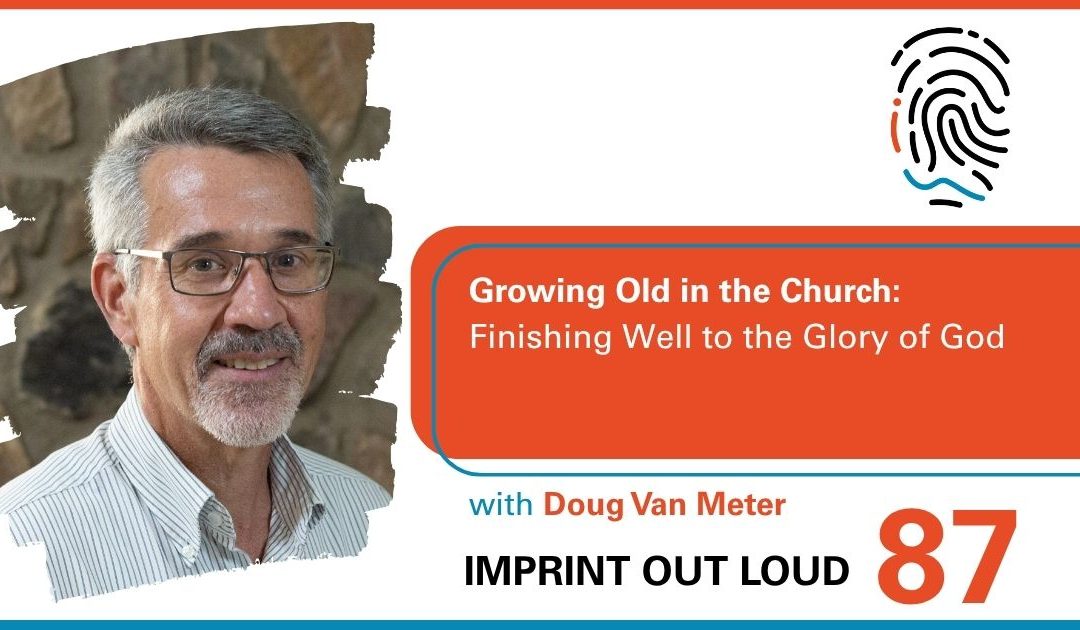
Episode #87—Growing Old in the Church: Finishing Well to the Glory of God
Fruitfulness in Old Age
Psalm 92 teaches that those planted in the house of the Lord will flourish throughout their lives. Their fruit-bearing does not diminish with age; rather, it deepens. This fruitfulness takes at least two key forms.
First, there is the fruit of Christlike character. The longer a believer walks with Christ, the more evident his likeness should become. Growth in holiness is not optional—it is expected. As the years pass, there ought to be increasing evidence of gentleness, patience, humility, and love. Age should bring more than experience; it should bring maturity.
Second, there is the fruit of ministry. Older believers are uniquely positioned to invest in others. Having walked with the Lord through decades of joys and trials, they possess wisdom that cannot be learned quickly. That is why the New Testament repeatedly emphasises intergenerational discipleship. Paul exhorts Timothy to entrust truth to faithful men who will teach others (2 Timothy 2:2), and older women to teach what is good and train the younger (Titus 2:3–5). The Christian life is not meant to be lived in isolation but passed on from one generation to the next.
Resisting the Temptation to Withdraw
One of the greatest dangers for older believers is the temptation to step back and disengage. Retirement from a career can subtly translate into retirement from ministry. Physical limitations, reduced energy, or even feelings of being overlooked can reinforce this withdrawal.
Scripture does not support this posture. While it is true that ageing may limit certain forms of service, it does not eliminate the call to serve. There are always ways to bear fruit—through prayer, encouragement, hospitality, mentoring, and faithful presence.
Indeed, the later years often provide more time and flexibility. Without the demands of raising children or pursuing a career, older believers can invest more intentionally in spiritual growth and in the lives of others. This season can become one of profound usefulness if approached with the right mindset.
Cultivating a Life of Ongoing Growth
Continued fruitfulness requires intentional effort. Older believers should remain lifelong learners—students of Scripture and of sound teaching. Growth does not plateau in the Christian life. Even Moses, at the end of his days, prayed, “So teach us to number our days that we may get a heart of wisdom” (Psalm 90:12). If a man of such maturity could ask to be taught, no believer is beyond the need for growth.
This learning must then translate into action. Opportunities for service abound, both formally within church structures and informally through personal relationships. Inviting younger believers for conversation, offering guidance, or simply sharing life experiences can have lasting spiritual impact.
Even small acts of intentionality—hospitality, encouragement, or initiating friendships across generations—can help bridge gaps and foster unity within the church.
The Responsibility of the Younger Generation
While older believers are called to remain engaged, younger believers also bear responsibility. A lack of intentionality from the younger generation can contribute to the isolation of older members.
Scripture consistently calls younger people to honour their elders. In practice, this honour should be expressed through initiative. Younger believers should seek out older Christians, asking to hear their stories, learn from their experiences, and benefit from their wisdom. Such conversations often reveal not only the faithfulness of God but also the reality that many struggles are not new. Sin repeats itself, as history does. The battles faced today are often the same ones older believers have already fought.
By engaging across generations, younger Christians gain perspective, humility, and guidance. At the same time, they affirm the value and dignity of older members within the body.
Overcoming Pride and Building Bridges
Relational distance between generations is not always accidental. Pride can exist on both sides. Older believers may feel overlooked and withdraw, while younger believers may assume there is little to gain from those who seem out of touch.
The gospel calls both to humility. Older believers should be willing to take initiative rather than waiting to be approached. A simple willingness to step into others’ lives can open doors for meaningful ministry. Likewise, younger believers must resist dismissiveness and actively pursue relationships that foster growth.
Without such intentionality, unnecessary generational divides can develop within the church. But when humility prevails, these divides can be replaced with rich, life-giving fellowship.
Preparing to Age Well
Growing old faithfully does not begin in the senior years—it begins in youth. The habits formed early in the Christian life often shape the later years. A life marked by consistent service, spiritual discipline, and a commitment to others will not suddenly cease at retirement.
Instead, retirement can be seen not as an end but as a redeployment. Freed from certain responsibilities, believers can devote themselves more fully to serving the Lord.
This perspective requires a sober awareness of life’s brevity. Psalm 90 reminds us that our days are limited. Whether one lives seventy years or eighty, life passes quickly. The question is not merely how long we live, but how we use the time given to us.
Identity and Finishing Well
One of the greatest challenges, particularly for those in leadership, is the issue of identity. When a person’s sense of worth is tied to a role—whether in ministry or elsewhere—the loss of that role can be deeply destabilising.
The solution is clear but often difficult: Identity must be rooted in Christ, not in function. Roles change, abilities fade, and seasons shift. But union with Christ remains constant. Those who ground their identity in him can step out of roles without losing purpose.
This is especially important for pastors and leaders approaching retirement. Faithfulness involves not only serving well but also stepping aside wisely—making space for others while continuing to serve in new ways. Ministry does not end; it simply changes form.
A Life Well Spent
Ultimately, the question of growing old in the church comes down to daily faithfulness. Reflection on the brevity of life should not lead to fear, but to clarity. If our days are numbered, then each day matters.
The call is simple: to serve the Lord today, and then to do the same tomorrow. A life of faithful service, sustained across decades, becomes a powerful testimony to the grace of God. And in the end, those who are planted in his house will indeed flourish—bearing fruit that endures far beyond their years.